

If you’ve never booked a mobile podiatrist in Perth before, it’s natural to wonder how the whole process actually works mobile podiatrist perth. Will they bring everything they need? How long does it take? Here’s a straightforward walkthrough of what a typical home visit involves.
Before the Visit
Once you’ve booked an appointment — usually by phone or an online form — you’ll typically be asked a few basic questions about your medical history, current medications People Podiatry, and the reason for your visit (routine nail care, a specific concern, diabetic checks, etc.). This helps the podiatrist prepare the right equipment and supplies for your appointment.
You’ll usually receive a confirmed time window rather than an exact minute, since mobile podiatrists are travelling between multiple homes throughout the day.
What the Podiatrist Brings
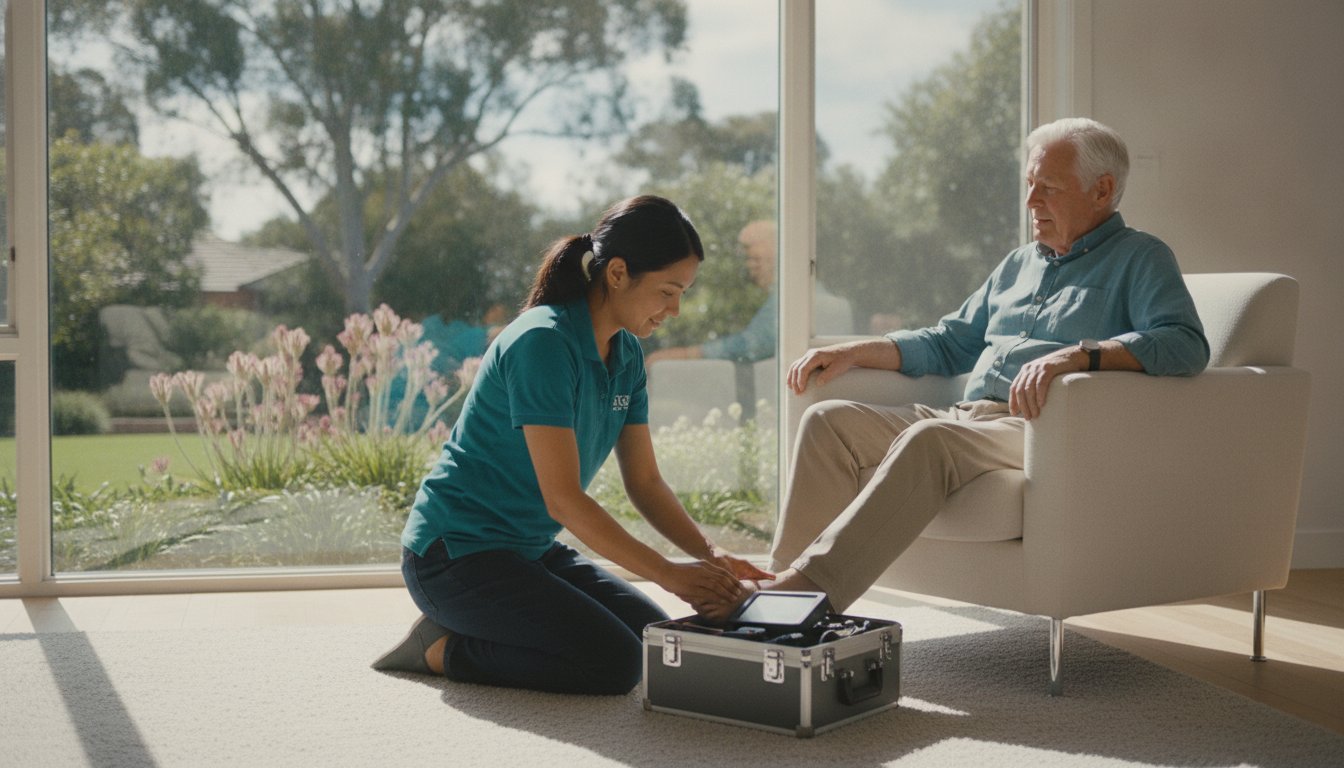
A fully equipped mobile podiatrist arrives with a portable kit that includes:
- Sterilised nail and skin instruments
- Diabetic assessment tools (monofilament, tuning fork, Doppler where required)
- Wound care supplies and dressings
- Disposable coverings to protect furniture and flooring
- Hand sanitiser and infection control supplies
Essentially, everything you’d find in a clinic treatment room, scaled down for portability.
Setting Up at Home
Most home visits take place at your kitchen table, a comfortable armchair, or wherever you feel most at ease. The podiatrist will usually ask you to sit with your feet elevated on a stool or cushion, and will lay down a protective mat or towel to keep the area clean.

During the Appointment
A typical appointment includes:
- A brief discussion of any concerns since your last visit
- A visual and physical assessment of your feet, skin, and nails
- Treatment — nail trimming, callus or corn removal, wound dressing, or whatever your specific need requires
- Advice on footwear, home care, or exercises if relevant
- A discussion of when your next visit should be scheduled
Appointments generally run between 20 and 45 minutes, depending on the complexity of the treatment.
After the Visit
Before leaving, most podiatrists will note any observations for your file, explain any aftercare instructions clearly, and confirm your next recommended appointment — particularly important for ongoing conditions like diabetes, where regular monitoring matters.
Payment is usually processed on the spot via card, with receipts provided for any applicable Medicare, DVA, NDIS, or private health rebates.
A Comfortable, No-Surprises Experience
The overall goal of a mobile podiatry visit is to replicate — and often improve on — the standard of care you’d receive in a clinic, without the hassle of getting there. Knowing what to expect ahead of time makes that first appointment feel a lot less unfamiliar.


